
Why ProfitEdge exists.
Almost every tool, program and consultancy available to an independent retailer was designed for somebody much larger: built for a chain, priced for a chain, and written in words nobody at the parts counter actually uses. ProfitEdge was built for the other business.

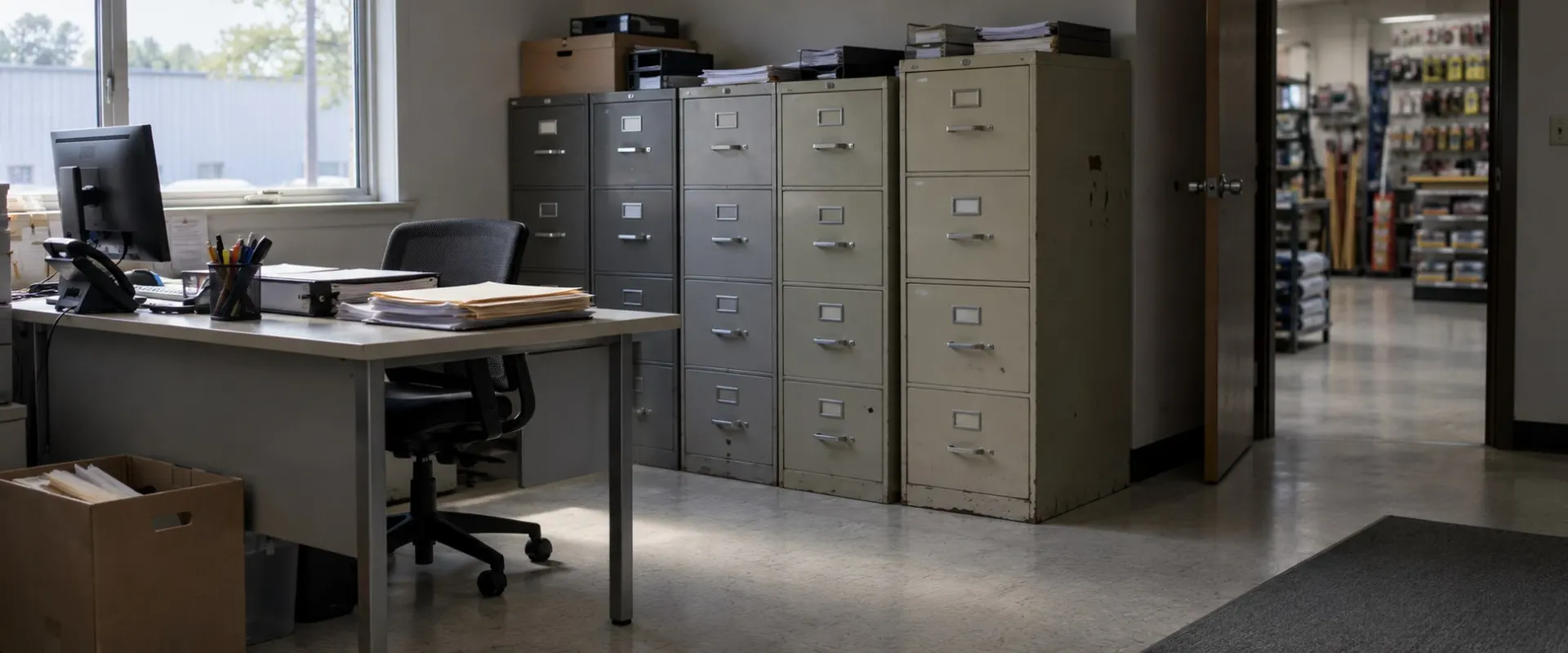
It started with a filing cabinet in Doraville, Georgia.
My first job was filing carbon-copy sales receipts in the upstairs office of my family’s hardware store. I was thirteen. Somewhere between the filing and the folding, I picked up an idea I didn’t have words for yet: a business runs on a thousand small pieces of paper, and somebody has to make sure every one of them ends up in the right place. When they do, customers trust you. When they don’t, things come apart a piece at a time.
At sixteen we turned the empty grocery store next door into a rental and outdoor power equipment operation. Somebody had to set up the rental inventory and keep it honest, and that somebody turned out to be me. Then came what I still think of as my first real project: we had two locations, and it made no sense to me that one store couldn’t see what the other one had. So as a teenager I started connecting the two systems so each store could see the other’s shelves.
I went to college and spent a few years working outside the industry. Then I came back, first as a manager at an outdoor power equipment and hardware retailer, then running a rental location and helping a multi-location rental group build out its own equipment parts, sales and service.
Most of what followed was inside multi-location hardware businesses: Ace and True Value stores, rental operations, long-established businesses and brand-new builds. More than fifteen of those years were with one multi-location Ace Hardware, where I started in outdoor power equipment and worked through the rest of the business a department at a time, until the owner was ready to sell. The floor, service management, purchasing, operations, training: I’ve run all of it, more than once.
I never meant to stay in this industry. Instead I spent thirty years finding the same thing over and over: the value a business needs is usually already inside it. You just can’t see it yet.
Thirty years, one department at a time.
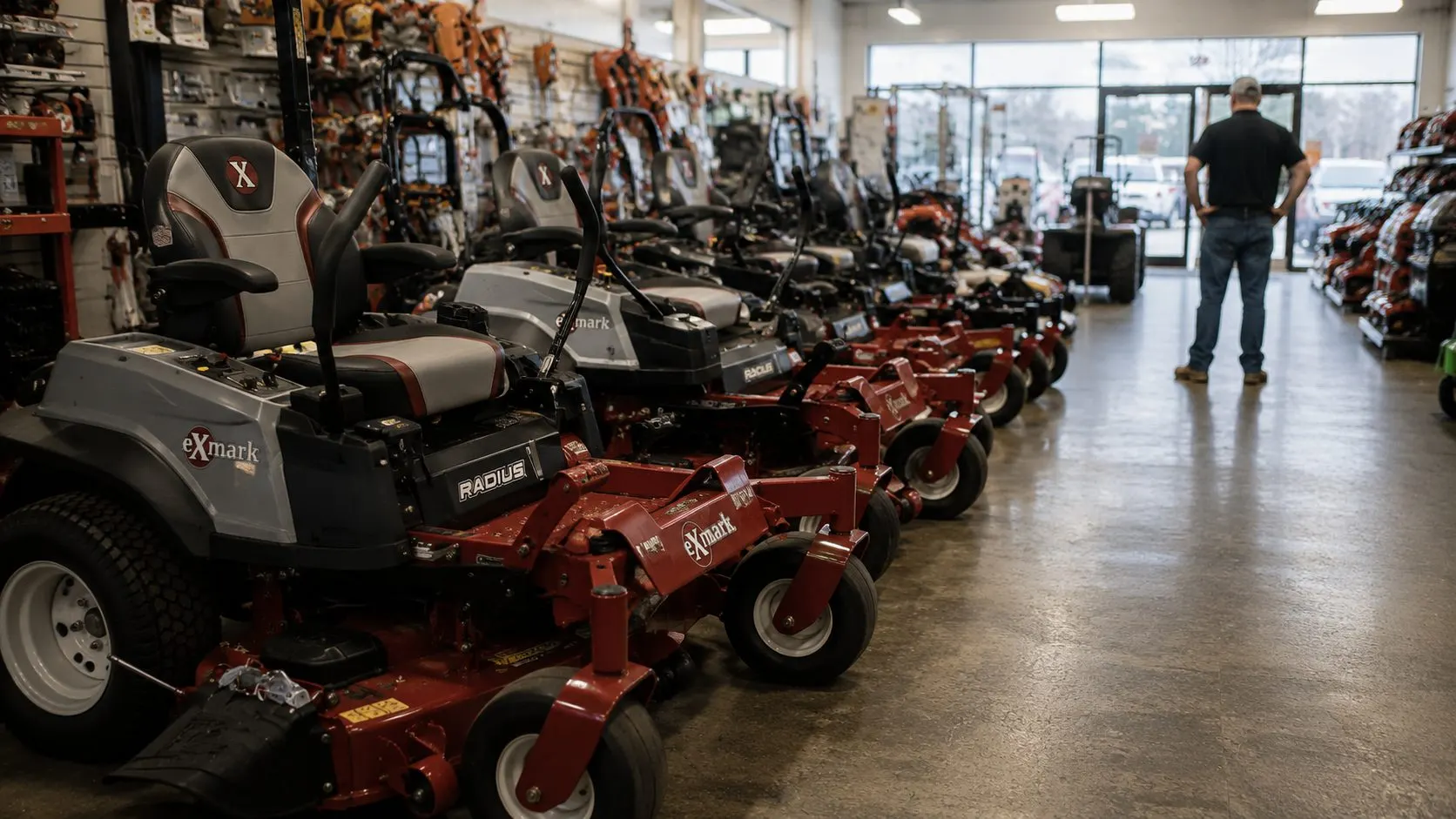
The retail floor
Family hardware, rental and equipment operations.
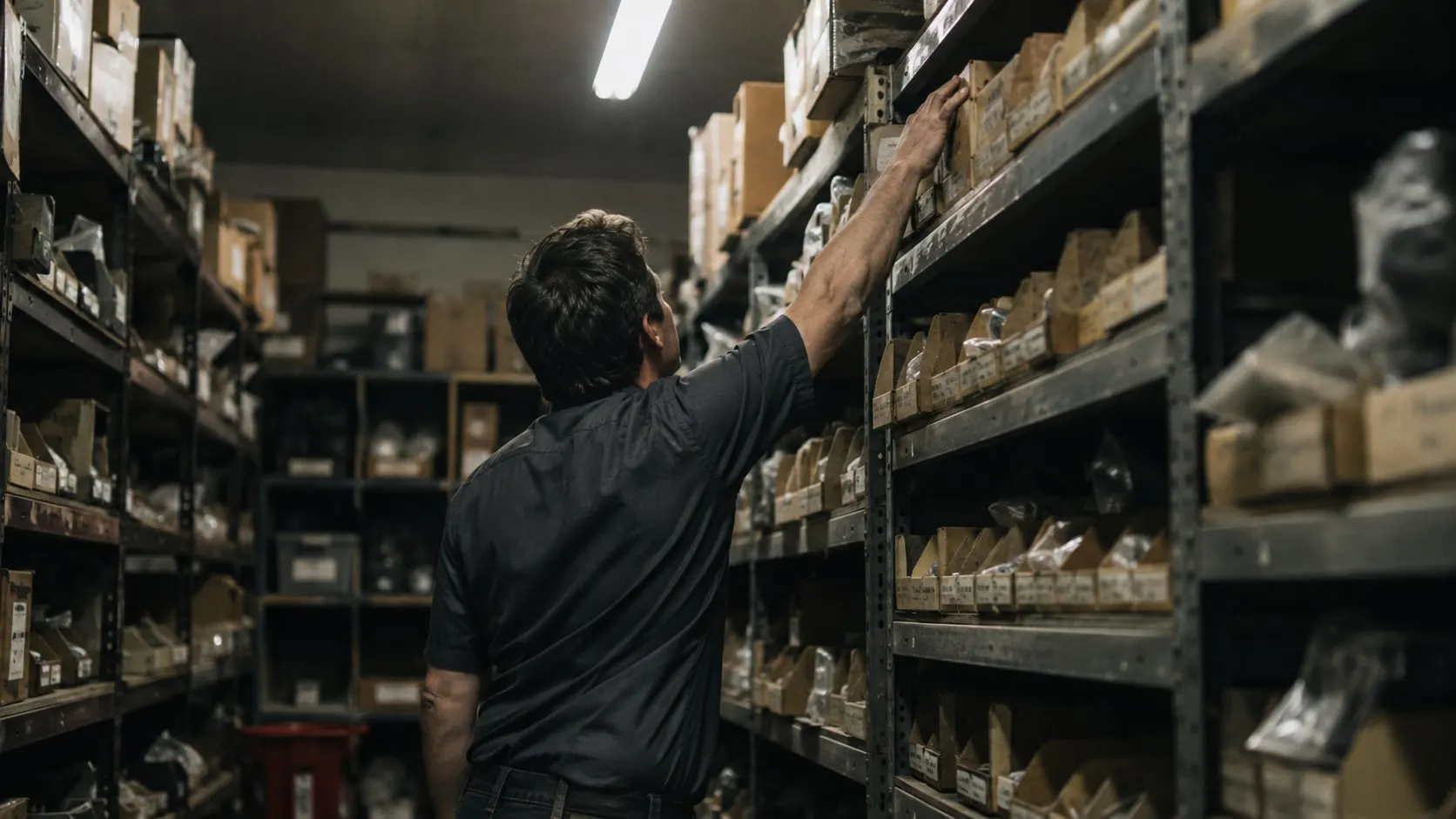
Operations
Running departments and multi-location businesses.
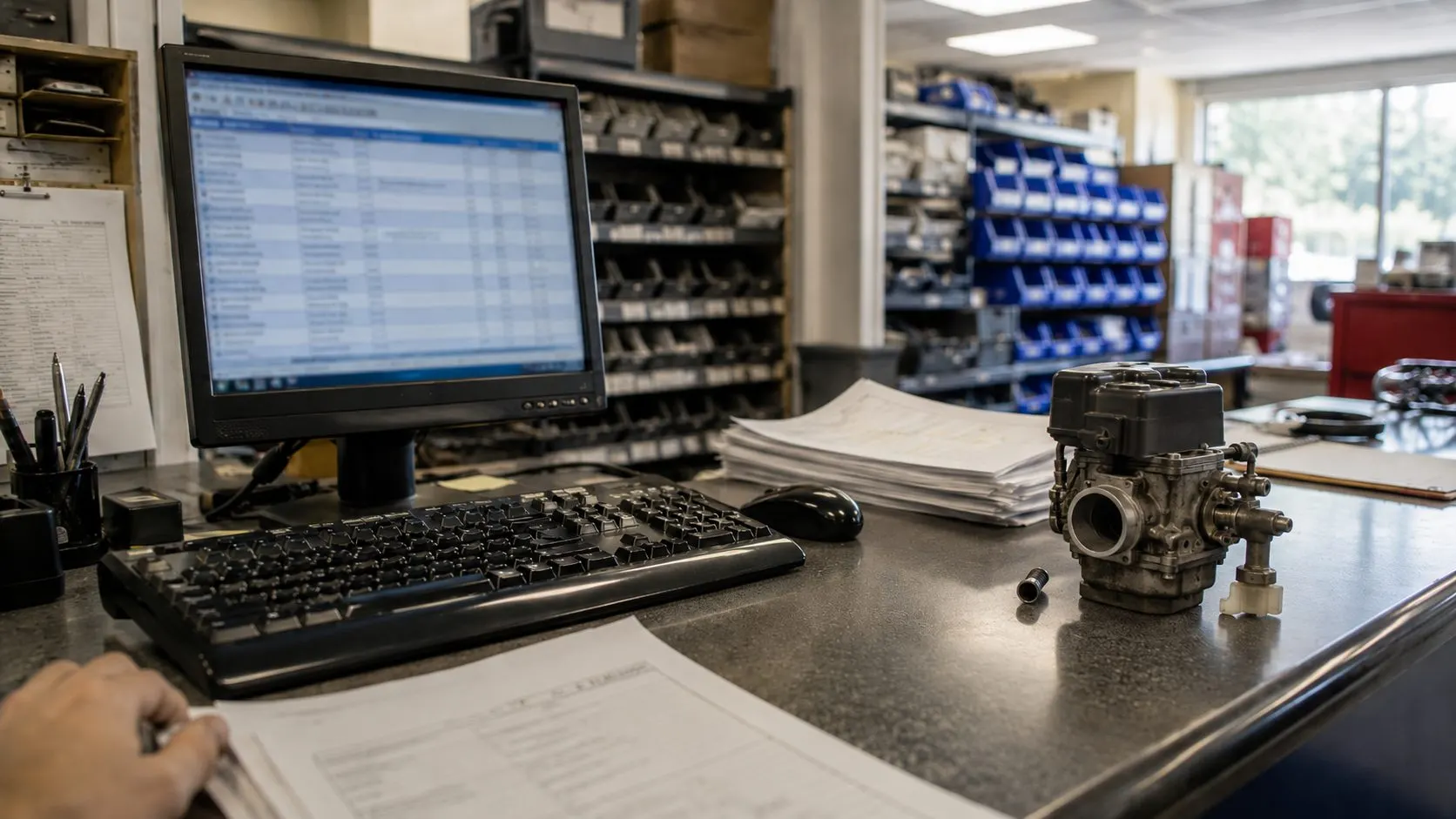
Systems and training
Professional services for retail software and an equipment dealer system.
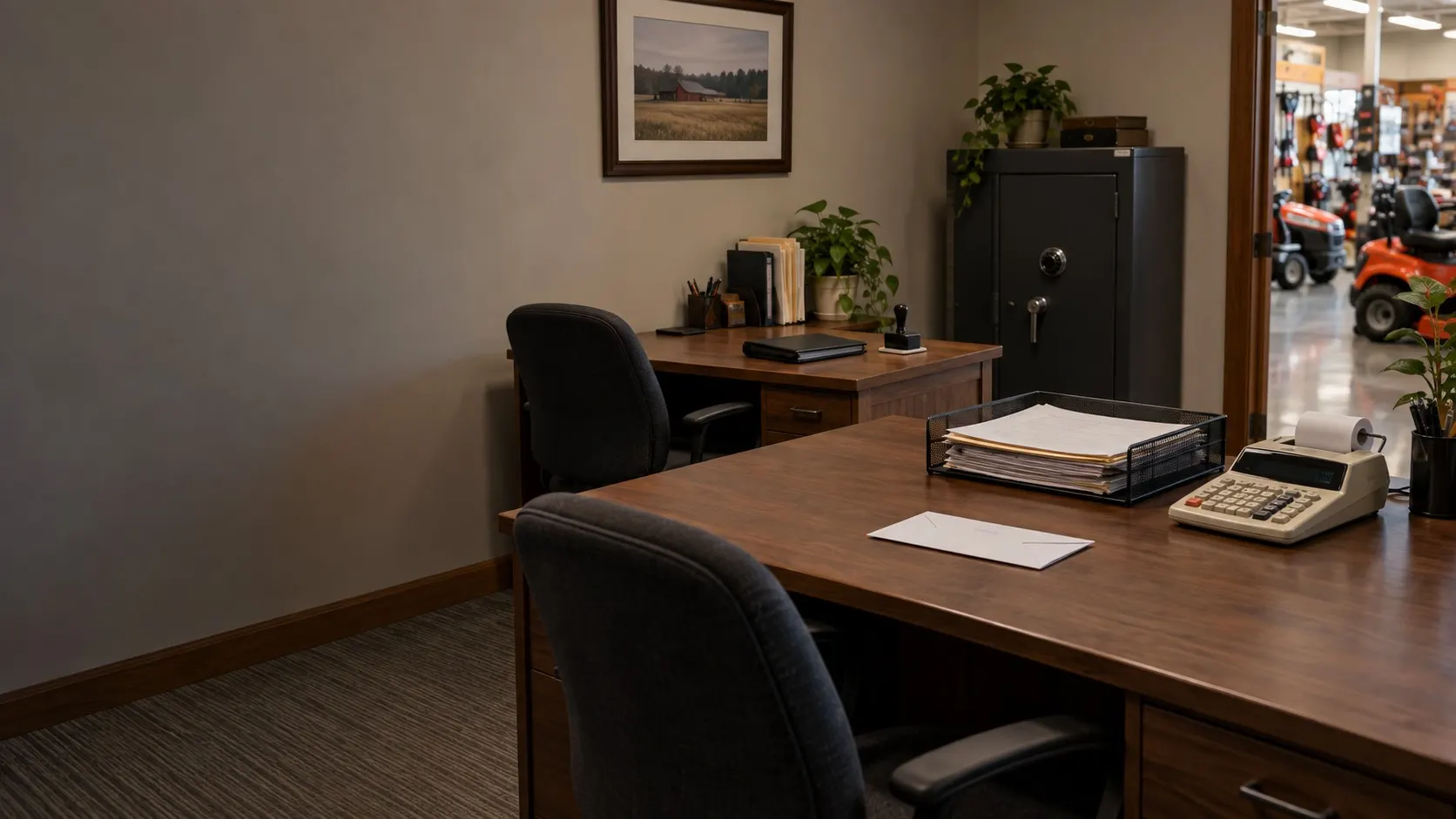
ProfitEdge
Independent consulting, practical training and Vista Intelligence.
I went looking for the people who had the answers.
After years of solving these problems one business at a time, I assumed somebody at a higher level had already figured it out. So I joined the professional services team at a software company that a great many independent retailers run on, sure that the people who build the systems must understand the businesses using them. Then I did it again, at a dealer system built just for outdoor power equipment. Narrower, closer to the industry, surely closer to the answer.
The room where the answers were kept didn’t exist, not in the general platform and not in the one built for this industry. Not because anyone was doing their job badly. Software companies know software. Manufacturers know manufacturing. Distributors know distribution. And everyone assumes, without quite saying so, that the others understand more than they actually do.
Where I landed, after looking everywhere else first, is where I started in Doraville: nobody knows how an independent business works better than the people inside it. They don’t need somebody to tell them how to run it. They need their own information, finally working for them.
My husband has worked on the distributor side of this industry for over twenty years. Most evenings, one way or another, we end up comparing the same industry from opposite sides: retailer, distributor, manufacturer, customer. Most couples argue about the dishes. We debate dealer programs.
What making value visible has looked like.
Four moments, from the service shop to the sale of a business.
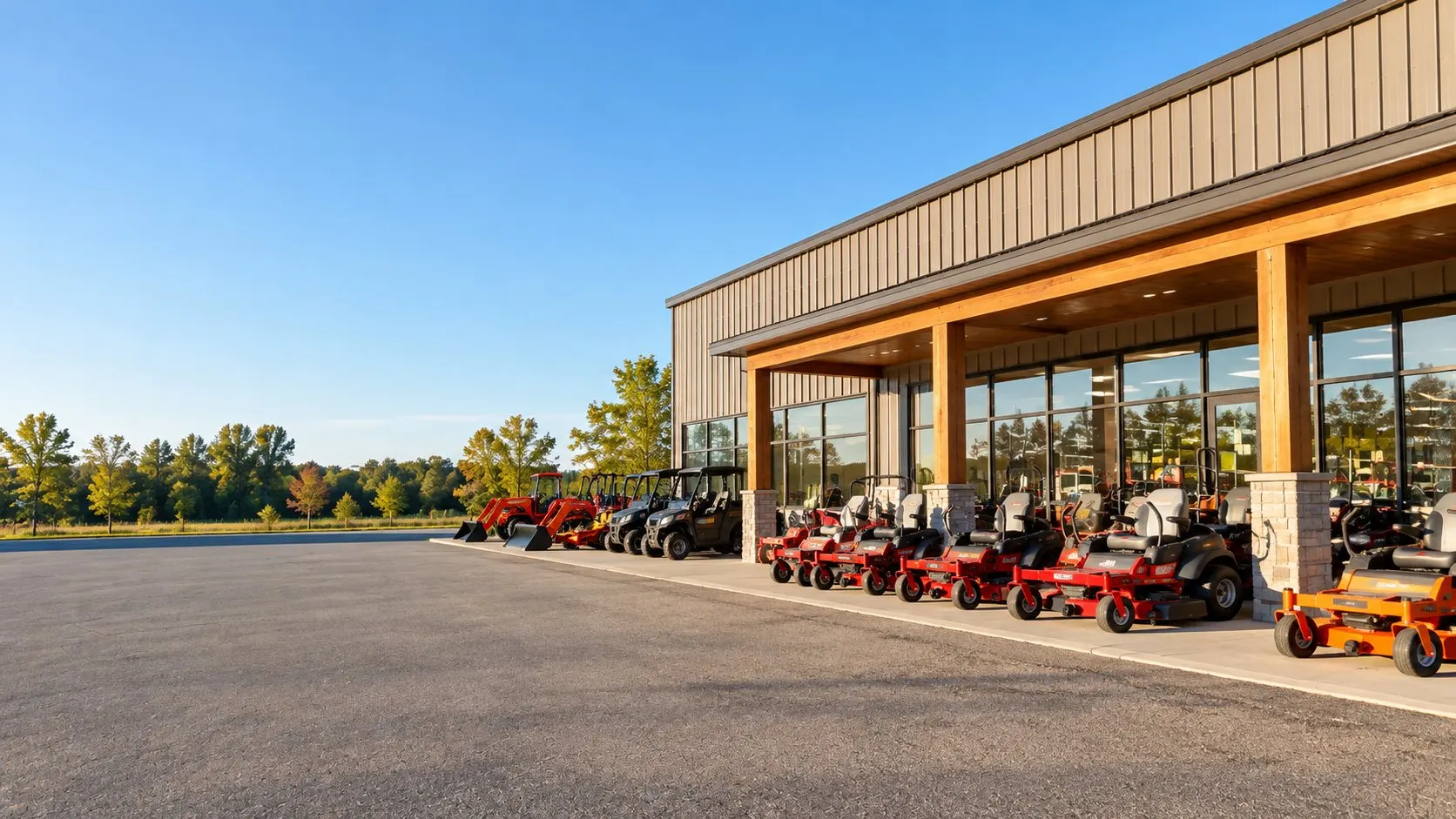
A dead February
Service work piled up every spring while the shop was slow all winter, and everyone treated that as a law of nature. We built seasonal service programs that brought equipment in during the off-season. One year February, historically the slowest month on the books, became a record month. Nothing fundamental changed. The work and the capacity to do it just stopped being out of step.
Twenty years uncounted
I helped a retailer complete its first physical inventory in about twenty years, so the store could be reset through Ace. Twenty years of decisions — what to order, what to promote, what the business was worth — made on numbers nobody had checked. There’s a look people get when the numbers finally tell the truth, even when it stings. It looks like relief.
Thirty thousand square feet
Opening a flagship hardware store, where months of planning, assortment work, system setup and hiring all come down to one opening day. A store launch is where you find out whether you understand operations or just enjoy talking about them.
A life’s work, proven
An owner nearing retirement needed to understand what he’d actually built. We wrote down processes that had only ever been in people’s heads, measured performance that had always been felt instead of tracked, and put decades of how they ran the place into terms a buyer could check. The business sold for significantly more than expected. It was already good; the work was proving it. Preparing to sell or pass on a business →
A few things we’re stubborn about.
Improvement has to be measurable
If we can’t show the difference month over month, against your own business with seasons and trends accounted for, we haven’t finished the job. An opinion that something got better isn’t a result.
The know-how should stay with you
The aim is for you to need us less over time, not more. That’s why training is offered alongside the software and the consulting, not tacked on at the end.
Plain language, always
You shouldn’t have to learn our vocabulary to understand what we found or what to do about it. If a manager can’t repeat it in their own words, we haven’t explained it.
Independent, and staying that way
No vendor commissions, no reseller agreements, no referral fees. We do build our own software, and part of the job is telling you when the system you already own, set up properly, is the better answer. What we recommend isn’t shaped by who else is paying us, because nobody else is.
with no new sales
What it looks like in practice.
A four-season outdoor power equipment dealer. A normal, well-run shop, not a turnaround. The owner’s instinct was to sell more machines.
The margin wasn’t in the machines. It was in roughly 590 under-priced parts, selling every day, each one a few cents short. Correcting them added about $54,000 a year: annual net profit went from $177,000 to $231,000 without a single extra sale.
Earning that same $54,000 by selling equipment would have taken about 80 more machines.
Read Katherine’s writing.
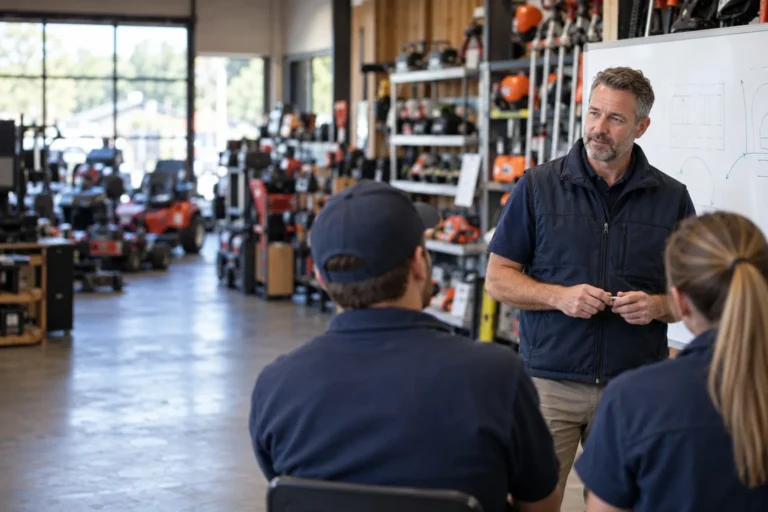
Why Training Doesn’t Stick, and What Does
Training that teaches screens is forgotten by the first busy week. Training built around the reason, the role and a one-page guide is still working when the season hits.
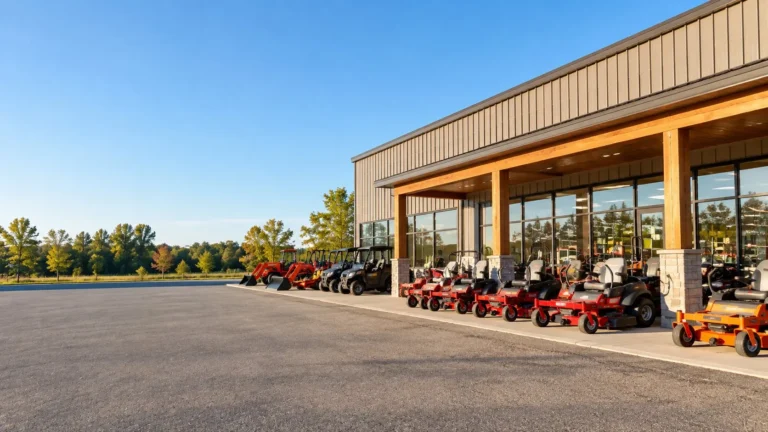
The Value of Your Business Is Set Before You Sell It
What a buyer or successor will pay for is a business that runs without you. That is built in the years before the sale, not at the closing table.
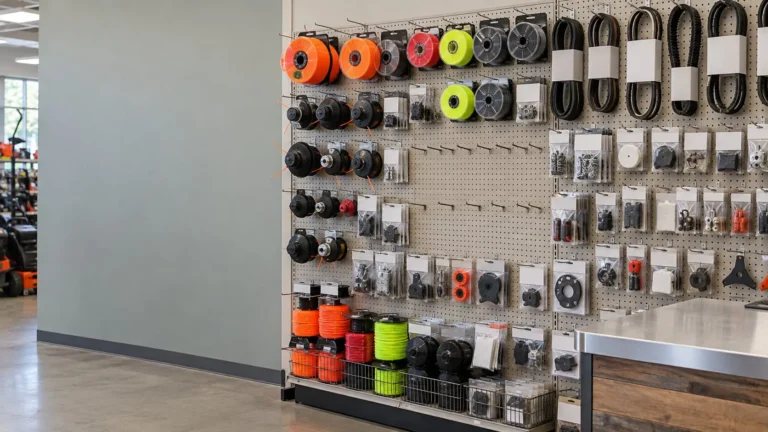
The Sale You Never Saw
The sales report only shows the demand you captured. The customer who left empty-handed never appears on it.
Let’s talk about your operation.
A conversation is the fastest way to find out whether we’re a fit, and whether what you need is the software, the consulting, the training, or none of it just yet.
(770) 215-4484hello@profitedgesystems.comPick a time on the calendar →
