
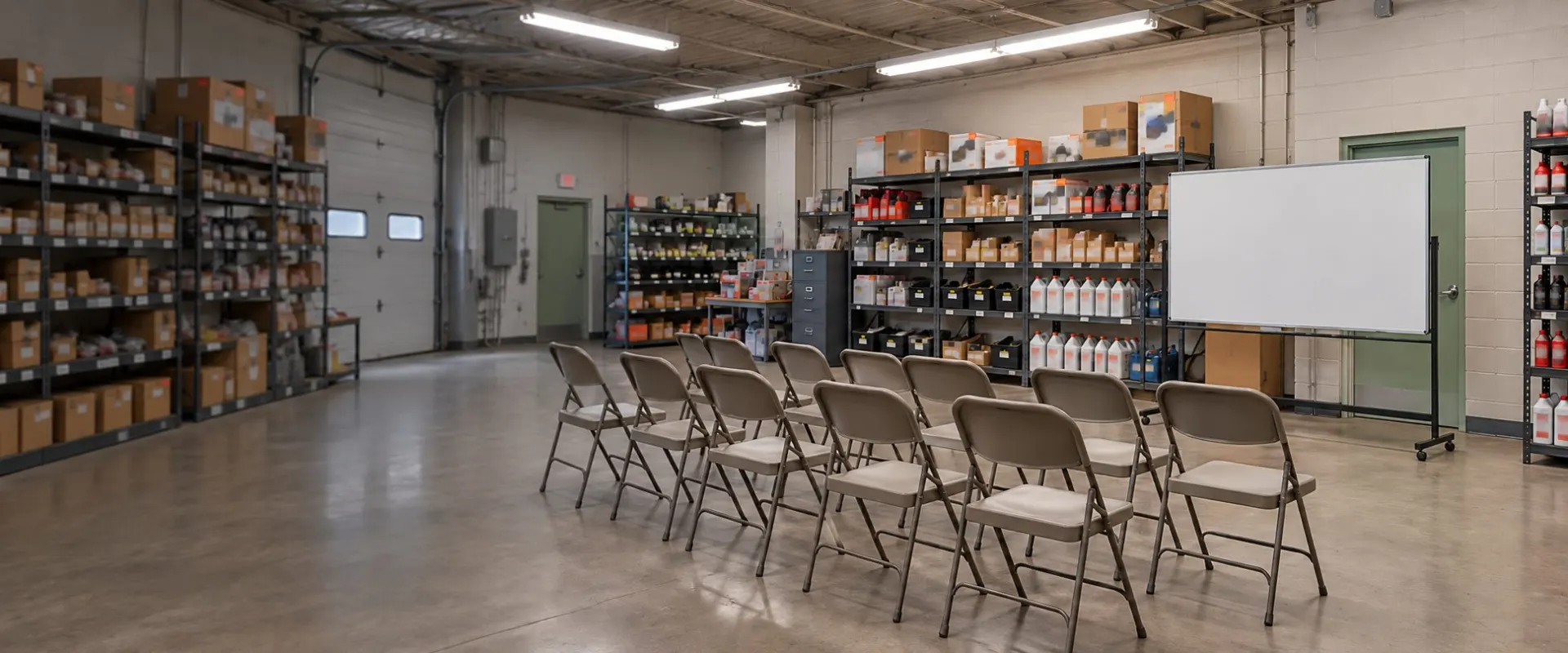
The point is for you to need us less.
Training for the owners and managers who make the decisions, and for the staff whose daily work keeps the numbers accurate. Built from years of running businesses this size.
Two groups of people, two different jobs.
Good decisions need accurate numbers, and accurate numbers depend on good daily habits. That’s why we train both groups.
The people who act on the numbers
Owner or operator, inventory manager, bookkeeper, purchasing manager. They learn to read what a finding is saying, what it’s worth in money, how to turn it into a plan with names and dates against it, and how to run the monthly review that shows whether it worked.
The people who produce the numbers
Receiving, parts and counter staff, department leads. They learn how product enters the system correctly, how stock stays where the system says it is, how counts are run, how the register area is run, and how slow stock gets moved before it ages.
Taught using your own business.
Wherever possible the examples are your departments, your items and your numbers, so what someone learns on Tuesday they can use on Wednesday.
The basics before the screens
Learning a screen doesn’t teach anyone to manage margin. We teach the basics first, then the tools.
Only what the job needs
Receiving and the bookkeeper don’t need the same education. People learn what their role requires, not everyone else’s.
Your team can do it without us
Training is how the changes last, not something added on at the end.
Receiving exception checklist
- Match the paperworkCompare the delivery with the purchase order.
- Check quantities and conditionRecord shortages, damage and unexpected items.
- Set exceptions asideKeep anything unresolved separate and labeled.
- Assign the next stepWrite down who follows up, and by when.
- Confirm the fixCheck the record is corrected before closing it out.
One-page guides they can use on a busy day.
Training can include plain, one-page job aids for the routines that matter most to you, like receiving or a physical count.
They’re written around your system and your procedures, so the person you hire next spring can pick one up and follow it.
Scheduled around your busy season.
An independent retailer can’t send eight people to a classroom for two days, especially in spring. So we fit the training to your schedule, and you can mix formats.
On site
With your team, using your own numbers and your own shelves as the example.
Remote
The same session over video. It costs you an hour instead of a day, and no travel.
One to one
Where a single person carries the responsibility: an inventory manager, a bookkeeper, an owner.
Recorded
Worked through between customers or on a slow afternoon, and still there for the person you hire in March who wasn’t in the room in January.
Department sessions
Everyone who needs to hear the same thing, at the same time.
Webinars
For a single topic, when that’s the whole point.
We work out the mix with you before anything starts: who needs to be in a room, who needs twenty minutes and a recording, and what your season will allow.
Training makes the changes last.
You can buy it on its own, but it works best alongside the other two. If your team doesn’t understand a change, it won’t last past the first busy month.
Vista Intelligence
Vista finds the problems. Training helps your managers understand them and act with confidence.
Consulting
Consulting changes how things are done. Training makes sure they’re still done that way a year later.
More on training that sticks.
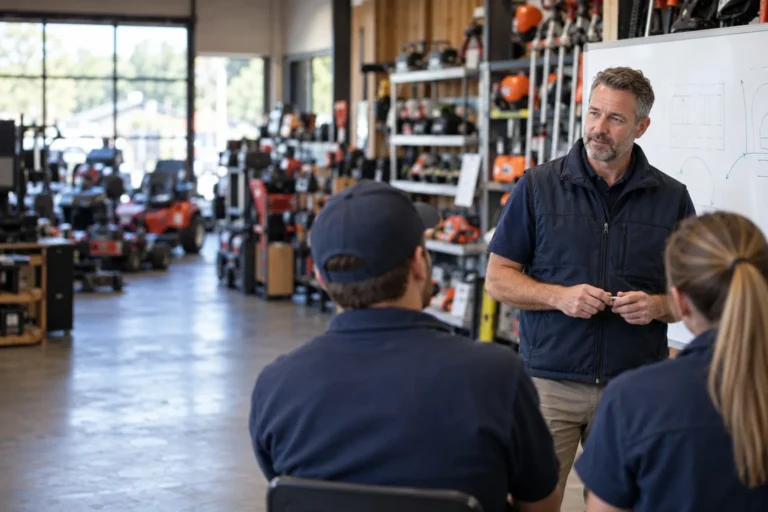
Why Training Doesn’t Stick, and What Does
Training that teaches screens is forgotten by the first busy week. Training built around the reason, the role and a one-page guide is still working when the season hits.

Building Follow-Up That Doesn’t Rely on Memory
A repeatable process that protects opportunities without making customer relationships feel scripted.
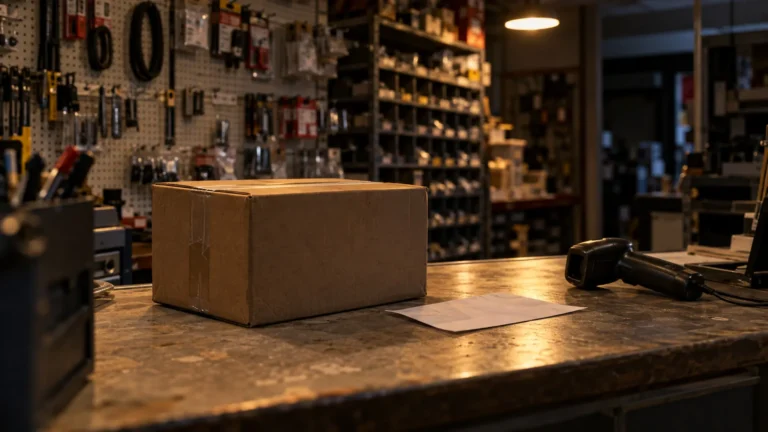
Set the Item Up Right the First Time
A new item gets set up once, in a hurry, and is rarely looked at again. Every price, reorder and report built on it inherits whatever went in that first time.
Free download: Job Aid Template and Training Plan →
Tell us who needs to learn what.
One conversation about your team and where the gaps are is usually enough to say what would help, and in what order. Free, with no obligation.
(770) 215-4484hello@profitedgesystems.comPick a time on the calendar →
